From plastic waste to solar power
Two projects so far: the RMIT University project Tansotec grew out of, which turned waste plastic into graphene and coated it onto solar cells, and the graphene coating Tansotec is developing next.
- Done
- Planned
Upcycling plastic waste into graphene for boosting solar cell performance
- Status
- Completed. All milestones met.
- Research
- RMIT University
- Funding
- $330,000 from Sustainability Victoria to RMIT University
- Contract
- C-12727
- Project type
- Development and validation
- Partners
- EQ Plastics, which supplied the shredded plastic; Swinburne University, for graphene coating on curved surfaces; a solar industry partner, for cell testing and validation
- Case study
- 9 May 2024
Record from the RMIT University case study prepared for Sustainability Victoria.
Shred: mixed plastic, no sorting
Shredded mixed-type plastic waste
The graphene made from it has 100% recycled content.
Zap: a flash of current turns plastic into graphene
Arc-discharge flash conversion
An intense electric arc breaks the plastic's organic compounds down into graphene and related materials, known as graphene derivatives.
Up to 3,000 amperes
The current comes from a prototype machine RMIT built for the project.
Seconds per batch
The conversion is driven by intense electrical pulses.
Over 90% converted, 70% yield
Converted is the share of plastic that is transformed. Yield is the share of each batch that comes out as graphene and graphene derivatives.
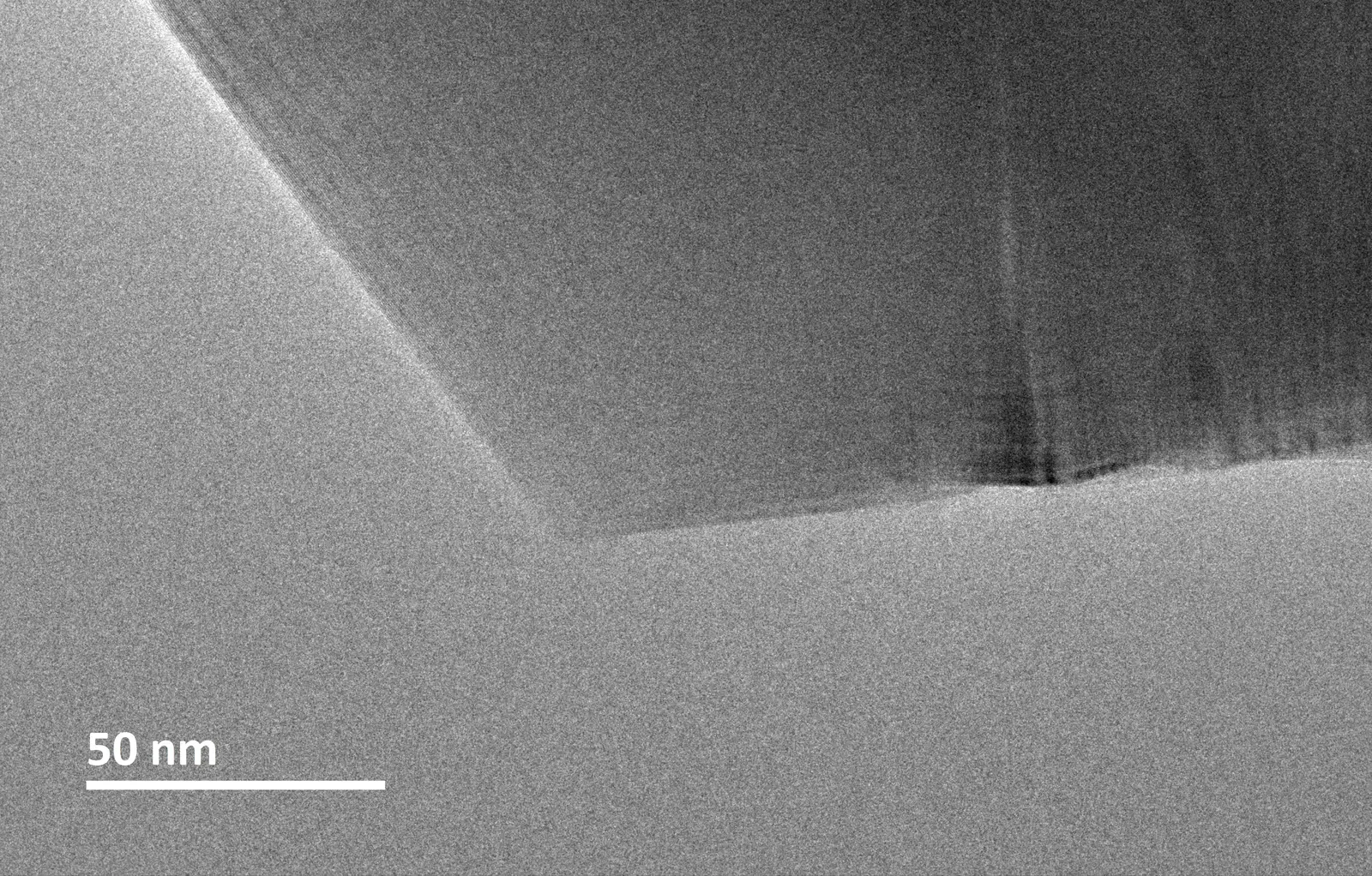
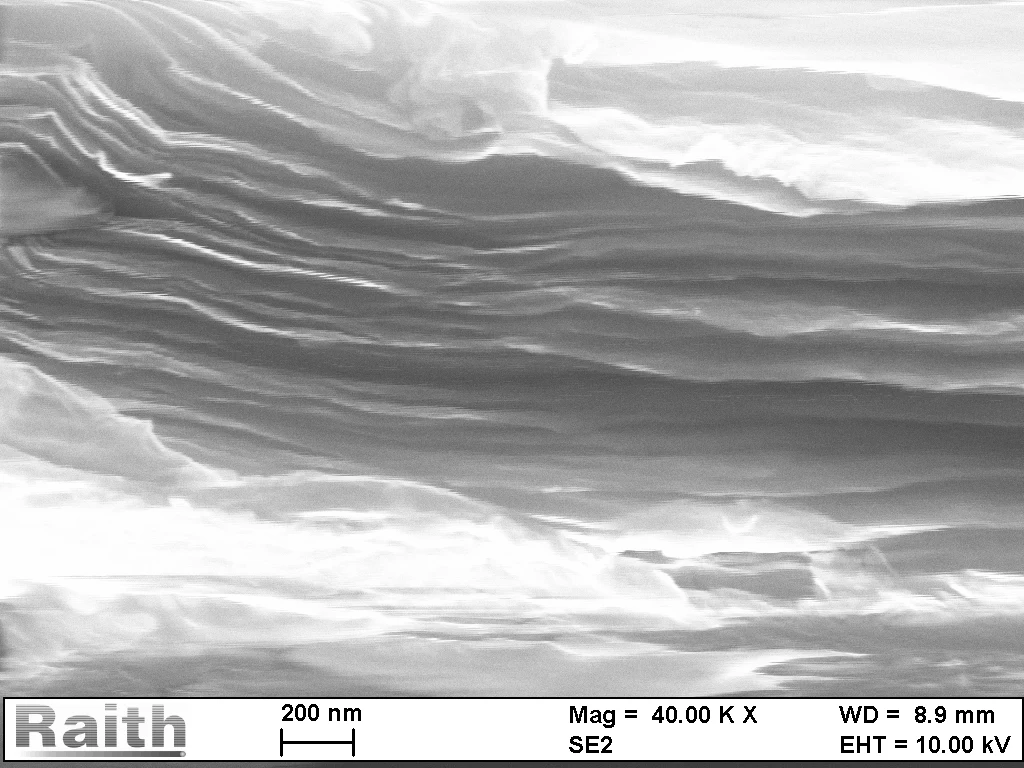
Make paste and coat: graphene on a solar cell
Electronic paste, layer-by-layer coating
The graphene is made into an electronic paste and applied, layer by layer, to commercial silicon solar cells, where it forms a passive layer on the surface.
The process can be scaled up, and it also works on curved and non-flat surfaces.
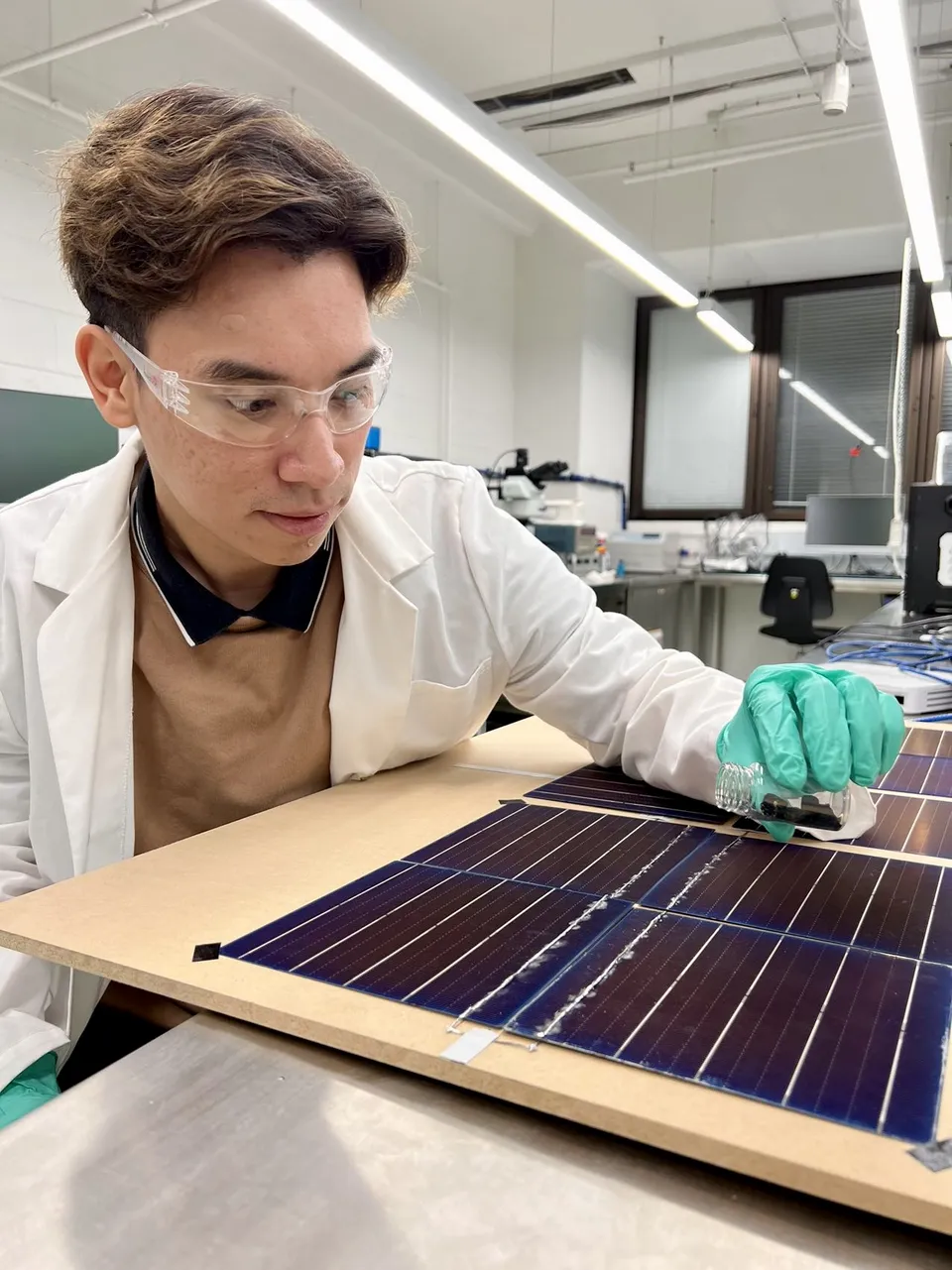
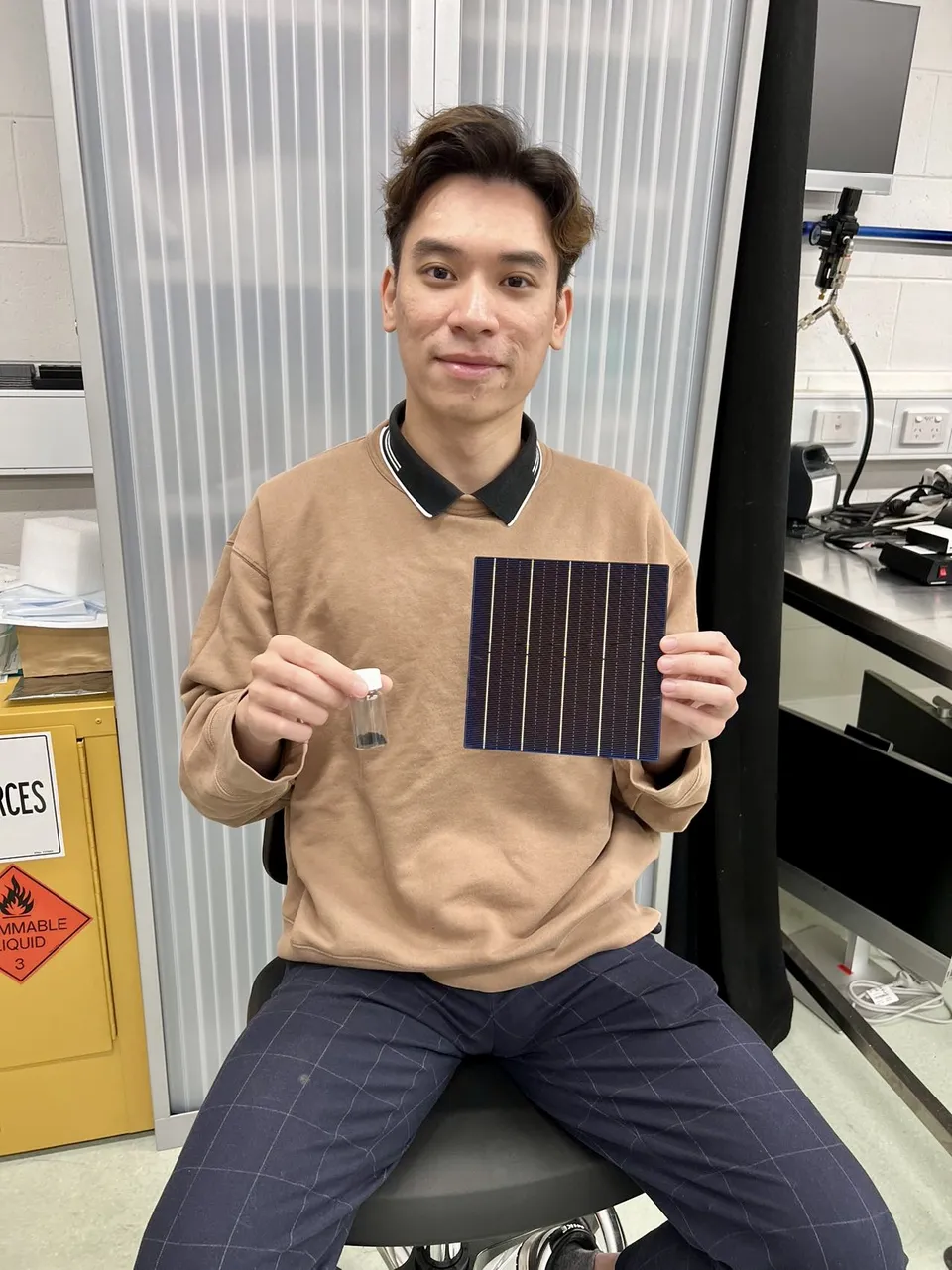
10% higher output voltage
After coating with the graphene, commercial silicon solar cells gave a 10% higher output voltage.
Above this line: done. Below it: planned.
Graphene-based dielectric coatings for high-performance solar cells
- Status
- Current work. The stages below are planned.
- Led by
- Tansotec
- Partners
- RMIT University; Solar Power Vietnam, supplying solar panels
- Starting point
- Proof of concept established in the lab
- Goal
- A low-cost graphene coating that helps silicon solar cells lose less energy at their surface, applied by a semi-automated process that suits existing solar manufacturing
Starting point and goal from Tansotec's project summary. Partners confirmed by Tansotec.
The plan
- Stage 1 of 4 Optimise Refine the graphene coating materials and formulations. Expected: an optimised coating
- Stage 2 of 4 Build Develop a semi-automated coating system. Expected: a working semi-automated coating demonstrator
- Stage 3 of 4 Validate Test coated cells for efficiency, reproducibility and durability. Expected: independently validated performance
- Stage 4 of 4 Demonstrate Demonstrate the technology with a solar panel manufacturer. Expected: an industry demonstration and a path to market
Stages and expected outcomes from Tansotec's project summary.